Choosing between traditional and digital surveying methods in Costa Rica can significantly impact your project's success, timeline, and budget. Both approaches have their place in modern land development, but understanding their strengths and limitations is crucial for making informed decisions.
Traditional Surveying: Time-Tested Methods
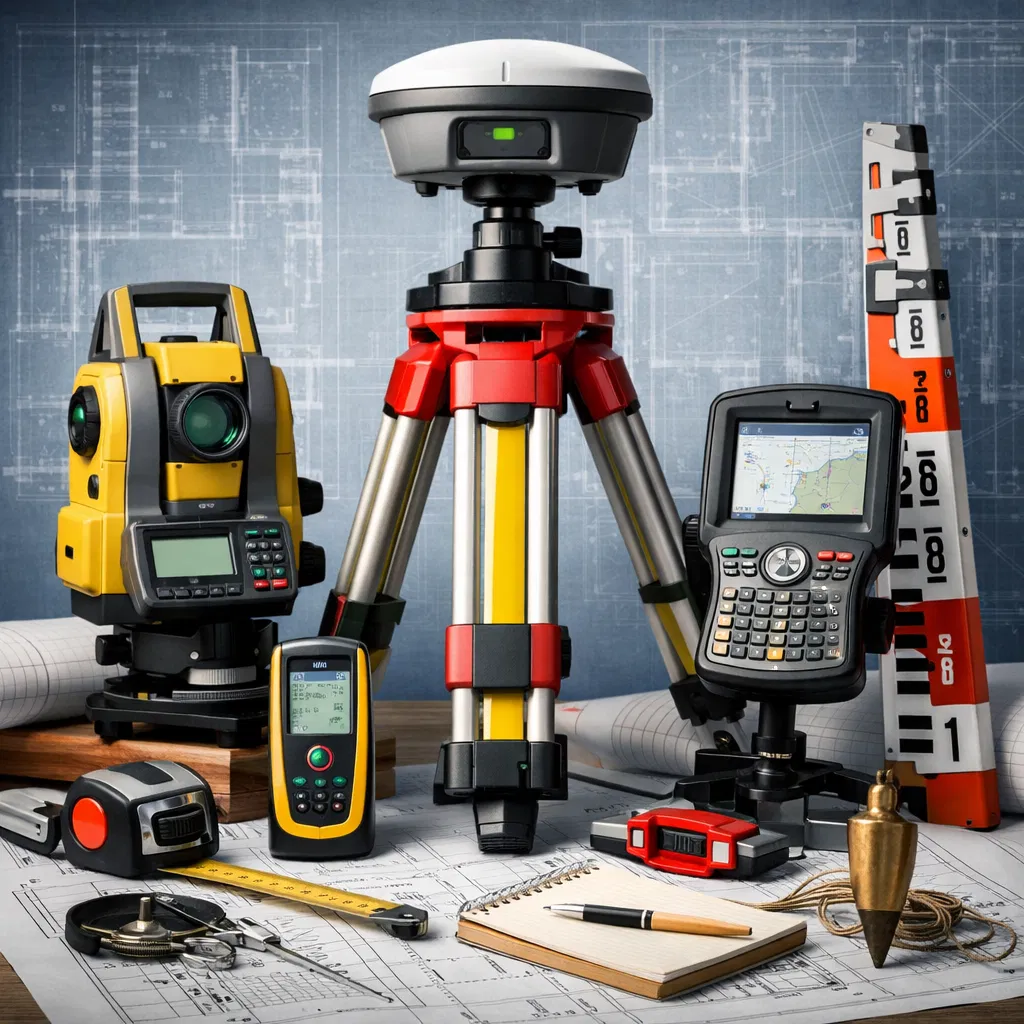
Traditional surveying in Costa Rica typically involves ground-based equipment like total stations, theodolites, and GPS receivers. Surveyors physically visit the site, set up equipment, and take measurements point by point.
Common Traditional Methods
- Total Station Surveying: Angle and distance measurements
- GPS RTK Surveying: Centimeter-accurate positioning
- Leveling: Elevation measurements
- Chain Surveying: Basic distance measurements
Traditional Survey Deliverables
- 2D boundary maps
- Topographic contour maps
- Legal survey reports
- Physical boundary markers
- Cross-section drawings
Digital Surveying: The Modern Approach
Digital surveying uses advanced technology to capture comprehensive data quickly and efficiently. In Costa Rica, this typically involves aerial platforms like drones equipped with various sensors.
Digital Survey Technologies
- LiDAR Drone Surveying: Laser scanning for 3D terrain
- Photogrammetry: Aerial imagery for 3D models
- Multispectral Imaging: Vegetation and soil analysis
- Thermal Imaging: Heat mapping and detection
Digital Survey Deliverables
- Interactive 3D point clouds
- High-resolution orthomosaics
- Digital elevation models (DEM)
- Gaussian splat visualizations
- Web-based interactive maps
Side-by-Side Comparison
| Factor | Traditional Surveying | Digital Surveying |
|---|---|---|
| Accuracy | 1-3 cm (point-specific) | 2-5 cm (area-wide) |
| Speed | Days to weeks | Hours to days |
| Data Density | Sparse (selected points) | Dense (millions of points) |
| Terrain Access | Limited by physical access | Unlimited (aerial) |
| Vegetation Penetration | None (line of sight required) | LiDAR penetrates canopy |
| Cost (per hectare) | $200-400 | $80-200 |
| Visualization | 2D maps and drawings | 3D interactive models |
| Legal Acceptance | Well-established | Increasingly accepted |
Costa Rica-Specific Considerations
Traditional surveying excels in: Urban areas with clear lines of sight, legal boundary disputes requiring physical markers, small properties with simple terrain.
Digital surveying excels in: Forested or mountainous terrain, large properties, remote locations, projects requiring 3D visualization, time-sensitive developments.
When to Choose Traditional Surveying
1. Legal Boundary Disputes
Traditional surveying with physical markers (monuments) is often required for court-admissible evidence in property disputes. The physical presence of surveyors and tangible markers carries weight in Costa Rican legal proceedings.
2. Small Urban Properties
For residential lots in developed areas, traditional surveying is often faster and more cost-effective. The limited area and clear sight lines make ground-based methods efficient.</